
In modern industrial applications, control valves are essential for regulating the flow, pressure, and temperature of fluids within production systems. Among these, the Electric Sleeve Control Valve stands out for its compact design, high performance, and versatility. Designed as a high-quality base-type electric control valve, it is widely used in process control systems across industries such as chemical processing, power generation, water treatment, and oil and gas.
Unlike conventional control valves, electric sleeve control valves integrate an electronic controller directly into the valve assembly, providing precise regulation of fluid flow. This integrated design ensures accurate response to control signals while minimizing energy consumption and mechanical wear. The combination of advanced engineering and durable materials makes electric sleeve valves a reliable solution for demanding industrial environments.
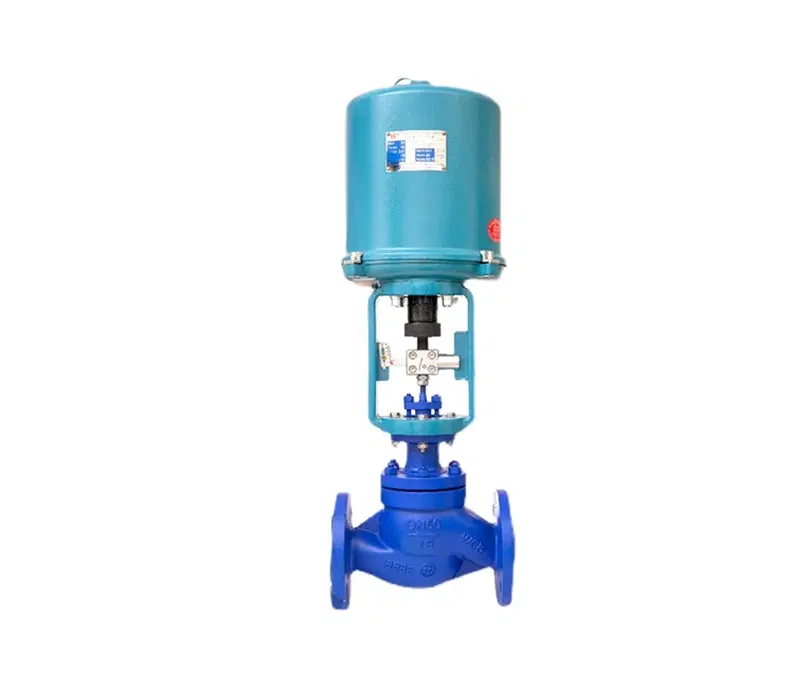
One of the primary advantages of the electric sleeve control valve is its built-in electronic controller, which enables precise control over flow rates and pressure. By integrating the actuator and control electronics within the valve body, these valves reduce signal lag, enhance responsiveness, and allow seamless compatibility with process automation systems.
Industrial processes often demand strict flow regulation, especially when handling sensitive fluids or chemical reactions. The integrated electronic design ensures that the valve maintains stability and accuracy, even under fluctuating operating conditions. This level of precision is difficult to achieve with traditional pneumatic or externally actuated valves.
Electric sleeve control valves are engineered for balanced operation, meaning that the actuator requires minimal force to operate the valve under high-pressure conditions. The internal sleeve design reduces friction and distributes flow forces evenly, allowing smooth movement of the valve stem.
This balanced operation offers several benefits:
- Reduced mechanical stress on components
- Stable performance across a wide pressure range
- Enhanced operational reliability
The result is a valve that performs consistently even in high-pressure applications, making it suitable for industrial systems where stability and safety are critical.
A hallmark of electric sleeve valves is their large guide surface, which minimizes oscillations and mechanical vibrations. By reducing internal movement and friction, these valves experience less wear over time.
Key benefits include:
- Longer operational life
- Fewer maintenance requirements
- Reduced downtime and operational costs
The durable construction and careful engineering of the sleeve mechanism ensure that even in continuous or high-cycle operations, the valve maintains its performance without premature degradation.
Noise reduction is a critical consideration in industrial environments, especially in chemical plants, power stations, or water treatment facilities. Electric sleeve control valves are designed to operate approximately 10 dB quieter than standard control valves, thanks to their balanced design and streamlined flow path.
Lower noise levels contribute to:
- A safer and more comfortable working environment
- Reduced need for additional soundproofing
- Compliance with workplace noise regulations
Electric sleeve control valves feature a simplified internal structure, making assembly and disassembly straightforward. Routine maintenance, such as inspecting the sleeve, seals, or actuator components, can be performed quickly and safely, minimizing downtime.
Maintenance advantages include:
- Easy replacement of worn parts
- Minimal special tooling required
- Reduced labor costs during servicing
The simple yet robust design ensures that operators can maintain the valve without extensive technical expertise.
Modern industrial systems often require valves capable of interfacing with a variety of control signals. Electric sleeve control valves support multiple input types, including:
- 4–20 mA DC signals
- 1–5 V DC signals
Additionally, they offer multiple flow characteristics—linear, equal percentage, or quick-opening—allowing the valve to adapt to specific process requirements. This versatility ensures compatibility with programmable logic controllers (PLCs), distributed control systems (DCS), and other automation platforms.
In chemical plants, precise control of fluid flow is essential to maintain safe reactions and consistent product quality. Electric sleeve control valves provide accurate flow regulation for acids, solvents, and other corrosive or hazardous fluids. Their balanced operation reduces the risk of erosion and vibration, extending service life even in demanding chemical processes.
Power plants require reliable flow control for steam, cooling water, and fuel. Electric sleeve valves offer stable performance under high pressure and temperature, ensuring efficiency and operational safety in thermal, nuclear, and combined-cycle power stations.
Water treatment facilities benefit from electric sleeve valves’ low-noise operation and precise flow control. They regulate the flow of potable water, wastewater, and chemicals used in purification processes, ensuring consistent treatment quality.
In large commercial buildings or industrial complexes, precise temperature and flow control are essential. Electric sleeve control valves integrate easily with building management systems, offering quiet, reliable operation for heating, ventilation, and cooling systems.
Pipeline and refinery operations require valves capable of handling high-pressure fluids with minimal leakage. Electric sleeve control valves provide stable, low-wear operation suitable for crude oil, refined products, and process chemicals.
Compared to traditional globe or ball valves, electric sleeve control valves provide several distinct advantages:
- Higher precision due to integrated electronics
- Reduced mechanical wear from balanced sleeve design
- Lower noise levels, enhancing workplace safety
- Simplified maintenance with fewer moving parts
- Versatile control, compatible with multiple signal types and automation systems
These benefits make electric sleeve valves an attractive choice for industries seeking reliability, efficiency, and reduced operational costs.
Proper installation of electric sleeve control valves is essential to ensure reliable performance, long service life, and safe operation. These valves are precision devices, and even minor errors during installation can lead to reduced efficiency, premature wear, or operational issues.
The first step is to confirm the correct orientation of the valve according to the manufacturer's guidelines. Installing the valve in the wrong direction can negatively impact flow characteristics, increase wear, and reduce control accuracy. Attention to orientation is especially important in high-pressure or high-temperature systems.
Next, verify all electrical connections and signal compatibility. Electric sleeve control valves often interface with 4–20 mA DC or 1–5 V DC control signals, so ensuring proper wiring and correct signal input is critical for accurate valve operation. Incorrect connections can lead to delayed responses, erratic control, or even damage to the internal actuator or controller.
Flange connections and gaskets must also be selected carefully to prevent leaks and maintain system integrity. Ensure that bolts are tightened evenly, and gasket materials are compatible with the process fluid and operating temperature.
Finally, consider the working environment, including ambient temperature, pressure, and potential corrosive elements. Protecting the valve from extreme conditions or chemical exposure prolongs its operational life. By following these installation best practices, operators can maximize valve efficiency, stability, and longevity while ensuring safe and trouble-free operation in any industrial setting.
Electric sleeve control valves are engineered for durability and reliable performance, but regular maintenance is essential to maximize their lifespan, ensure consistent operation, and minimize unexpected downtime. Following a proactive maintenance routine helps maintain precise flow control and prevents costly operational interruptions.
Begin by inspecting the sleeve and seals for signs of wear, damage, or deformation. These components are critical for preventing leaks and maintaining smooth valve operation. Any signs of deterioration should be addressed promptly to avoid further damage.
Next, check the actuator and electronic controller to ensure they respond accurately to control signals. Verify that input signals, such as 4–20 mA DC or 1–5 V DC, are correctly transmitted and that the actuator moves smoothly throughout its range. Proper functioning of the electronic system is vital for maintaining precise flow regulation.
Cleaning the valve body, guide surfaces, and internal passages is equally important. Debris buildup can hinder valve movement and affect performance. Use manufacturer-recommended cleaning methods to prevent damage to sensitive components.
If specified, lubricate moving parts according to the manufacturer’s guidelines to reduce friction and wear. Finally, test signal responsiveness regularly to confirm that the valve maintains accurate flow control under operational conditions.
By performing these maintenance steps consistently, operators can prevent unexpected failures, extend the valve’s operational life, and ensure stable, efficient performance in demanding industrial applications.
The field of industrial control valves is evolving rapidly. Emerging trends include:
Integration with IoT systems for real-time monitoring and predictive maintenance.
Advanced materials to enhance corrosion resistance and durability.
Energy-efficient actuators to reduce operational costs.
Smart algorithms for optimized flow control and process automation.
Electric sleeve control valves are at the forefront of these innovations, combining precision, durability, and automation-ready design.
Electric sleeve control valves represent a modern solution for industries requiring precise, reliable, and efficient flow control. With integrated electronics, balanced operation, low noise, and easy maintenance, these valves outperform traditional designs in accuracy, durability, and versatility.
Whether applied in chemical processing, power generation, water treatment, HVAC systems, or oil and gas pipelines, electric sleeve valves provide stable performance, reduce operational costs, and protect critical systems. By investing in high-quality electric sleeve control valves, industries can ensure long-term efficiency, safety, and process optimization.
As industrial automation continues to expand, electric sleeve control valves remain a vital component for modern process control systems, offering unmatched reliability and precision for years to come.