
In the rapidly evolving world of industrial fluid control, the demand for efficient, reliable, and cost-effective valve solutions has never been higher. Electric UPVC Ball Valves have emerged as a leading choice for engineers and facility managers who require precision flow control, long service life, and minimal maintenance. Combining the durability of Unplasticized Polyvinyl Chloride (UPVC) with the efficiency of motorized actuation, these valves are ideal for applications ranging from water treatment and chemical handling to agriculture and industrial processing.
As industries increasingly adopt automation to optimize processes, reduce operational risks, and conserve resources, electric UPVC ball valves offer a compelling solution. Lightweight, corrosion-resistant, and compatible with a wide range of fluids, these valves are redefining how facilities manage liquid flow while minimizing downtime and maintenance costs.
This article provides a comprehensive overview of electric UPVC ball valves, their design and features, applications, advantages over traditional valves, selection guidelines, installation considerations, maintenance practices, and future industry trends.
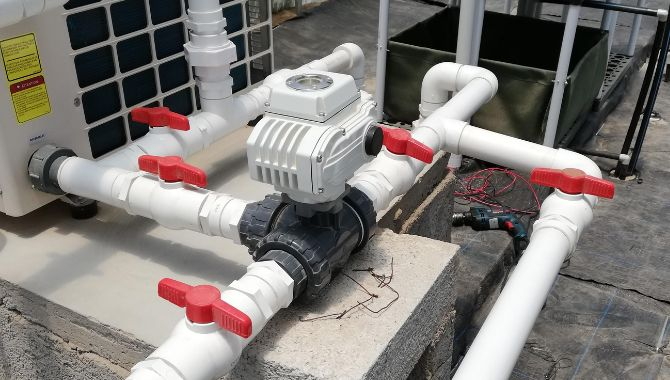
An electric UPVC ball valve is a type of motorized valve that uses a rotating spherical ball to control the flow of liquid through a pipeline. The valve body is made of Unplasticized Polyvinyl Chloride (UPVC), a robust thermoplastic known for its corrosion resistance, chemical stability, and lightweight properties.
Unlike manual valves, an electric ball valve is operated via an electric actuator, which allows the valve to open or close automatically. Actuation can be local (directly on-site) or remote (controlled via SCADA systems, PLCs, or other automation platforms). This feature makes electric UPVC ball valves ideal for systems where accessibility, automation, and safety are priorities.
Key characteristics of electric UPVC ball valves include:
- Motorized operation: Provides precise, reliable control without manual intervention.
- Plastic construction: UPVC resists rust, corrosion, and scaling, ideal for water, chemical, and agricultural applications.
- Full-bore design: Ensures minimal pressure loss when fully open.
- Tight sealing: PTFE or EPDM seats prevent leakage, maintaining system efficiency.
In essence, electric UPVC ball valves combine mechanical reliability with automation capabilities, bridging the gap between traditional manual valves and fully automated industrial solutions.
The heart of the valve is a 90-degree rotating ball with a through-hole. When the actuator turns the ball, it either aligns the hole with the pipeline (allowing flow) or rotates it perpendicular to the flow (stopping liquid).
Unlike solenoid valves, which operate almost instantaneously, electric ball valves have a slow, controlled rotation—usually 4–5 seconds per full stroke. This slow actuation prevents water hammer, a pressure surge that can damage pipes, fittings, and equipment in high-pressure systems.
UPVC is inherently resistant to rust, scaling, and many chemical attacks. This makes electric UPVC ball valves highly suitable for:
- Water treatment systems: including potable water and wastewater.
- Chemical plants: where acids, alkalis, and solvents are present.
- Agricultural irrigation systems: exposed to fertilizers and nutrient solutions.
The plastic body, combined with metal-free wetted components, ensures long-term durability without the need for painting, coating, or frequent replacement.
Compared to traditional metal valves, UPVC electric ball valves are up to 50% lighter, reducing stress on pipe supports and simplifying installation. Lightweight construction also facilitates transportation and handling, especially for large-diameter valves.
Electric UPVC ball valves typically feature PTFE (Polytetrafluoroethylene) or EPDM (Ethylene Propylene Diene Monomer) seats, which conform to the ball surface to create a leak-proof seal. This ensures:
- Minimal fluid loss
- Stable pressure maintenance
- Improved system efficiency
Even under continuous operation, the resilient seats maintain their shape, extending service life.
Because the actuator operates at low torque and completes each cycle in a few seconds, energy consumption is minimal. Additionally, the full-bore design minimizes pressure drop, reducing the pumping power required downstream.
Modern electric actuators enable integration with smart control systems. Features include:
- On/off control: Fully open or fully closed positions
- Modulating control: Partial opening for flow regulation
- Feedback signals: Open/close position indication to control systems
This automation allows engineers to manage multiple valves simultaneously, improving operational efficiency in large-scale plants.
Electric UPVC ball valves are extensively used in municipal and industrial water systems. Their resistance to chemicals, rust, and sediment makes them ideal for:
- Water filtration
- Wastewater pumping stations
- Chemical dosing and treatment
Automation allows for timed or sensor-based operation, improving efficiency and reducing manual labor.
The chemical industry often deals with corrosive liquids such as acids, alkalis, and solvents. Metal valves may corrode quickly, but UPVC valves resist degradation, ensuring long-term reliability. Electric operation enables precise batch control in chemical dosing systems.
In modern agriculture, automated irrigation systems require valves that are:
- Durable under outdoor conditions
- Resistant to fertilizers and nutrient solutions
- Lightweight for ease of installation
Electric UPVC ball valves meet these requirements, enabling remote or scheduled irrigation, saving water, and increasing crop yield.
UPVC is non-toxic and chemically stable, making these valves suitable for certain food-grade applications, particularly for water or liquid ingredients. While full compliance with FDA or EU standards may require specialized variants, the basic UPVC electric ball valve remains widely applicable in water transfer and cleaning systems.
In large buildings, automated UPVC ball valves can manage chilled water, heating circuits, or cooling towers. Integration with building management systems allows:
- Energy-efficient control of heating and cooling loops
- Remote monitoring and emergency shut-off capabilities
- Reduced risk of leaks damaging equipment or interiors
Unlike metal valves, UPVC valves do not rust, corrode, or require painting. PTFE and EPDM seats provide long-lasting tight sealing, reducing the need for frequent maintenance.
While metal electric ball valves are expensive, UPVC versions provide industrial durability at a fraction of the cost, making them highly economical for medium to large-scale systems.
Lightweight construction and flexible design reduce the complexity of installation. Many UPVC electric ball valves come with flanged, socket, or threaded ends, allowing for versatile pipe connections.
Slow actuation prevents water hammer and reduces the risk of pipe bursts or valve failure, protecting both infrastructure and personnel.
UPVC valves do not require coatings, paints, or frequent replacements, reducing waste and environmental impact. They are fully recyclable at the end of their life cycle.
When selecting an electric UPVC ball valve for a specific application, consider the following factors:
- Fluid Type: Ensure compatibility with UPVC, PTFE, or EPDM.
- Temperature Range: Standard UPVC valves handle 0–60°C; higher temperatures may require specialized plastics.
- Pressure Rating: Verify the valve’s PN (pressure nominal) to match system requirements.
- Valve Size: Choose based on pipe diameter and flow requirements.
- Actuator Type: Select between on/off or modulating actuators depending on system control needs.
- Electrical Requirements: Check voltage, power consumption, and control signals.
- Alignment: Ensure the valve aligns perfectly with the pipeline to avoid stress on joints.
- Support: Properly support large valves to prevent bending or sagging.
- Actuator Orientation: Position electric actuators upright and accessible for maintenance.
- Wiring: Use waterproof connectors and follow local electrical codes.
- Testing: Perform initial open/close cycles to verify smooth operation and leak-free performance.
Even with minimal maintenance needs, regular inspections improve valve longevity:
- Visual checks: Look for cracks, UV damage, or loose connections.
- Actuator test: Cycle the valve periodically to ensure smooth rotation.
- Seat inspection: Replace PTFE or EPDM seats if signs of wear appear.
- Electrical system check: Ensure wiring and control signals are intact.
Proper maintenance ensures decades of reliable operation with minimal downtime.
The demand for electric UPVC ball valves continues to grow due to:
- Automation: Industries are increasingly adopting automated fluid control for efficiency and safety.
- Sustainability: Lightweight, recyclable valves align with green initiatives.
- Advanced Materials: Future UPVC composites may handle higher temperatures and aggressive chemicals.
- IoT Integration: Smart valves with remote monitoring, predictive maintenance, and data analytics are gaining traction.
- Global Water Management: Growing need for efficient irrigation, wastewater management, and chemical dosing drives adoption.
With these trends, electric UPVC ball valves are positioned as a cornerstone technology for industrial automation and sustainable fluid control.
Electric UPVC ball valves offer a perfect blend of durability, efficiency, and automation, making them indispensable in modern fluid management systems. From municipal water treatment and chemical processing to agricultural irrigation and industrial cooling, these valves provide reliable, leak-proof operation with minimal maintenance.
Their lightweight, corrosion-resistant construction, combined with slow, controlled electric actuation, prevents system shocks, reduces energy consumption, and enhances safety. As industries worldwide pursue automation, sustainability, and efficiency, electric UPVC ball valves stand out as a smart, cost-effective, and versatile solution.
For engineers, facility managers, and automation specialists, incorporating electric UPVC ball valves into pipelines represents a forward-thinking approach to fluid control, ensuring reliability, safety, and long-term value.
