73-84 of 243 results


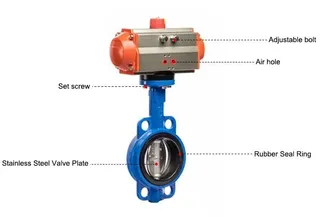
Pneumatic Wafer Butterfly Valve: Comprehensive Overview

Introduction Pneumatic wafer butterfly valves have become a vital component across numerous industries due to their efficient flow control, innovative design, and ease of use. As one of the most popular types of control valves, they are favored for their lightweight construction, quick operation, and reliability. Their unique structural characteristics and adaptable installation options make them a go-to solution for a wide range of applications, from chemical processing to water treatment facilities....

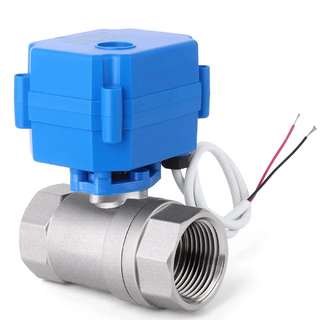
Electric Ball Valves: A Comprehensive Guide to Operation, Applications, and Maintenance

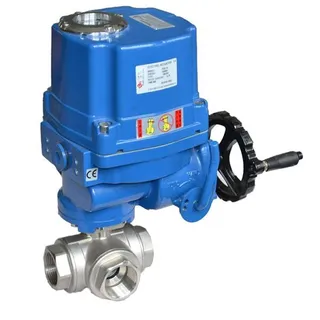
Introduction Electric ball valves are essential components in industrial and commercial systems that regulate the flow of liquids or gases. These valves combine mechanical efficiency with electrical automation, offering precise control, rapid response times, and reliable performance in demanding environments. Unlike manual valves, electric ball valves can be operated remotely, making them ideal for applications where human intervention is impractical or unsafe. This article explores the working...

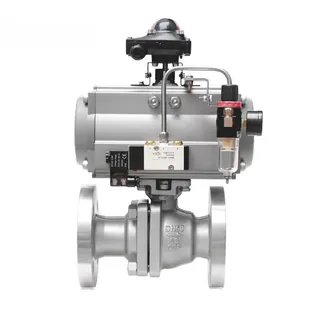
Understanding Pneumatic Cut-Off Ball Valves: Features, Functions, and Industrial Applications

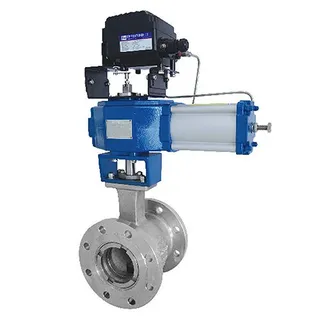
Introduction A pneumatic cut-off ball valve is a high-performance industrial valve designed for efficient and reliable on/off control of fluids using compressed air as the driving force. It is typically equipped with essential components such as a stroke limit switch, a solenoid valve, a pressure-reducing valve, and an air source within the pressure range of 0.4 to 0.7 MPa. These elements work together to enable remote or automated valve operation while sending passive contact signals to indicate...

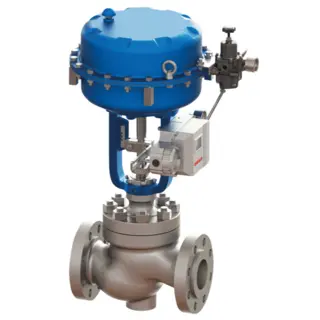
Control Valves: Unbalanced Trim vs. Balanced Trim – A Comprehensive Guide

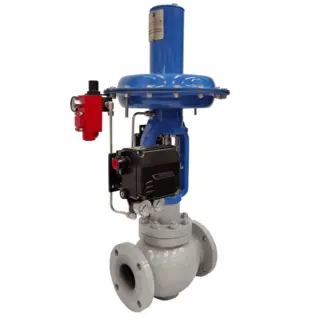
Introduction Control valves are critical components in industrial fluid systems, regulating flow, pressure, and temperature. One of the key distinctions among control valves lies in their trim design—specifically, whether they use an unbalanced trim or a balanced trim. The choice between these designs significantly impacts valve performance, durability, and suitability for specific applications. This article explores the differences between unbalanced and balanced trim...

Unlocking Precision and Performance: The Power of Quarter-Turn Electric Actuators

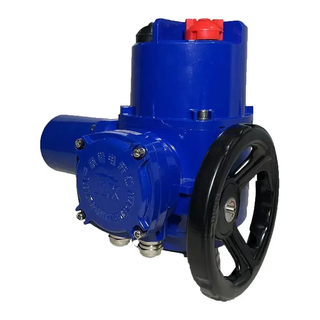
Introduction In today’s highly automated industrial world, the ability to control process flow with precision and reliability has never been more critical. Whether it's managing fluid flow in oil pipelines, regulating air in HVAC systems, or ensuring sanitation in food processing lines, valve actuation is at the heart of modern infrastructure. Among the most widely adopted solutions in this domain is the quarter-turn electric actuator—a compact, energy-efficient, and high-precision...

The Complete Guide to Control Valve Calibration: Techniques, Best Practices, and Industry Standards

Introduction: The Critical Role of Control Valve Calibration in Industrial Processes In modern industrial operations, control valves serve as the final control elements in process loops, regulating the flow of liquids, gases, and steam with precision. These valves are integral to industries such as oil and gas, power generation, chemical processing, water treatment, and pharmaceuticals. However, even the most advanced control valve will fail to perform optimally without proper calibration. Calibration...

Total 243 Records, 12 records per page