
In industrial automation and process control, valves are critical components that regulate the flow of fluids and gases, ensuring system efficiency, safety, and reliability. Among the most widely used types of valves are solenoid valves and pneumatic valves. Though both serve the fundamental purpose of controlling media flow, they operate on completely different principles, offer distinct advantages, and are best suited for specific applications. Understanding these differences is essential for engineers, designers, and operators to implement the most effective, reliable, and cost-efficient solutions.
This comprehensive guide explores the operating principles, advantages, limitations, and practical applications of solenoid and pneumatic valves. It also highlights key considerations for selecting the right valve type for industrial systems, emerging trends in valve technology, and the future of automated flow control.
A solenoid valve is an electromechanical device that controls the flow of liquid or gas in a pipeline by converting electrical energy directly into mechanical motion. The core component of a solenoid valve is a coil of wire surrounding a ferromagnetic plunger or piston. When an electric current passes through the coil, it generates a magnetic field that moves the plunger, either opening or closing the valve orifice.
This direct conversion from electrical energy to mechanical displacement enables instantaneous control over fluid or gas flow without relying on secondary power sources like hydraulic or pneumatic systems.
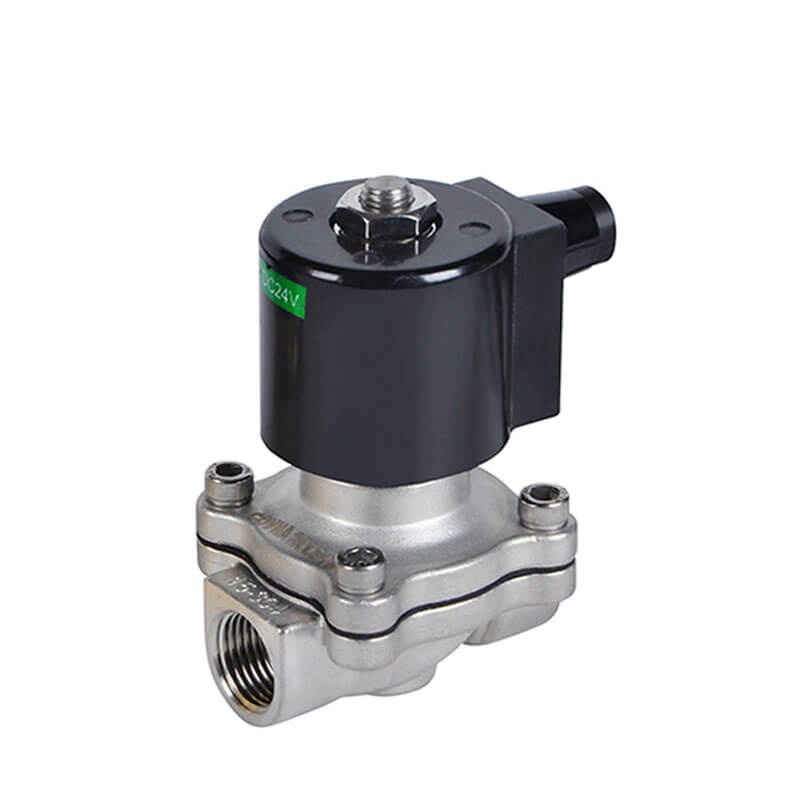
- Rapid Response – Solenoid valves provide near-instantaneous actuation, making them ideal for processes that require high-speed switching or frequent operation.
- Precision Control – They are highly suitable for low-to-medium flow applications where accurate regulation is crucial, such as medical devices, laboratory instruments, or automated fluid dosing systems.
- Compact and Lightweight Design – The simple coil-and-plunger mechanism allows solenoid valves to occupy minimal space, making them easy to integrate into automated machinery.
- Fail-Safe Mechanisms – Many solenoid valves include spring-return systems that automatically return the valve to its default position in the event of power loss.
- Energy Efficiency – Electricity is used only during actuation, reducing operational costs in intermittent duty cycles.
- Energization – When voltage is applied to the solenoid coil, it creates a magnetic field.
- Plunger Movement – The magnetic field pulls the plunger, overcoming spring tension or friction, to either open or close the flow path.
- Flow Control – The valve opens to allow fluid or gas to pass or closes to block flow.
- De-Energization – Once the electrical signal is removed, the spring or mechanical return resets the plunger to its original position.
This simplicity in design allows solenoid valves to operate reliably in automated, small-scale, or high-precision systems, where rapid actuation and minimal maintenance are priorities.
- HVAC Systems – Controlling refrigerants, chilled water, and heating loops.
- Water Treatment Plants – Automated dosing of chemicals and water flow management.
- Medical and Laboratory Equipment – Precise control of gases or liquids in diagnostic and testing devices.
- Food and Beverage Processing – Regulating flows in automated bottling and packaging lines.
- Automated Industrial Systems – Actuating small pipelines, pneumatic circuits, and fluid handling equipment.
Unlike solenoid valves, pneumatic valves use the energy of compressed air to actuate the valve mechanism. They are typically paired with pneumatic actuators, which can be pistons, diaphragms, or rotary mechanisms. When compressed air enters the actuator chamber, it generates force that moves the internal valve stem to open or close the valve.
Pneumatic valves are not limited by the direct electrical actuation of solenoid valves, allowing them to generate higher mechanical forces. This makes them the preferred choice in heavy-duty applications requiring large-diameter valves, high pressure, or extreme environmental conditions.
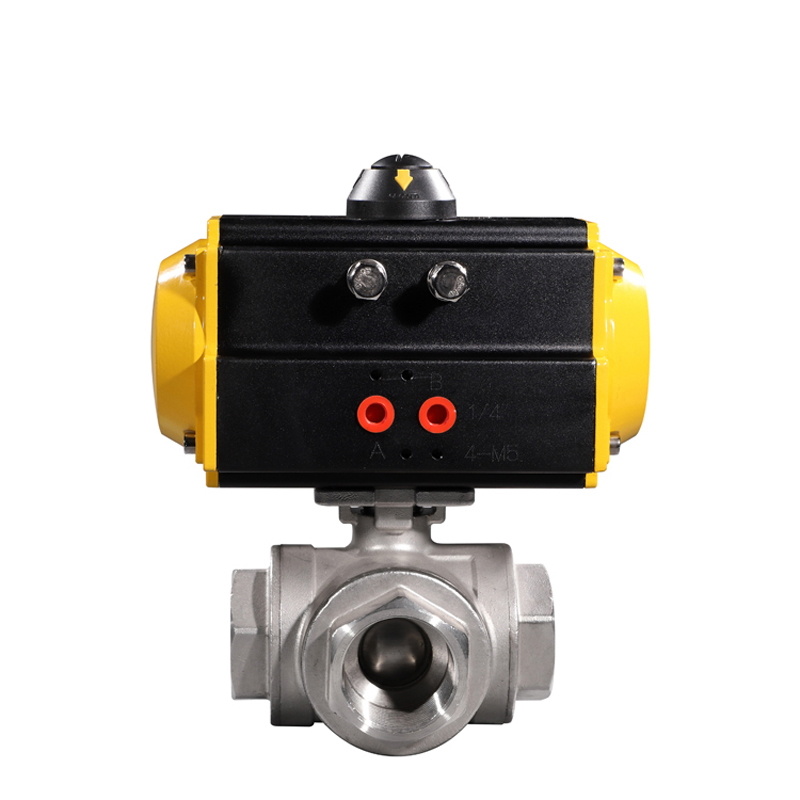
- High Mechanical Force – Capable of actuating valves that solenoids cannot handle due to force limitations.
- Durability in Harsh Conditions – Operates reliably under high pressure, extreme temperatures, or corrosive environments.
- Flexible Configurations – Can be single-acting (spring return) or double-acting (air-powered in both directions), depending on process requirements.
- Large Flow Capacity – Suitable for high-volume systems in oil and gas, chemical, and power plant industries.
- Fail-Safe Options – Spring-return actuators ensure closure or opening during air or power loss, critical for safety applications.
- Air Supply – Compressed air enters the actuator chamber.
- Actuation – The air pressure moves the piston, diaphragm, or other actuator component.
- Valve Stem Movement – This mechanical motion opens or closes the valve, regulating flow.
- Air Exhaust – The actuator vents excess air or pressure to return the valve to its default position if needed.
This fluid-powered mechanism allows pneumatic valves to handle large forces and heavy-duty pipelines, making them ideal for demanding industrial processes.
- Oil and Gas Pipelines – Handling high-pressure crude oil, natural gas, or refined products.
- Chemical and Petrochemical Plants – Corrosive or high-temperature media control.
- Power Plants – Steam, water, and fuel flow control in high-capacity systems.
- Industrial Automation – Heavy-duty mechanical actuations in manufacturing and processing lines.
- Mining and Material Handling – High-resistance environments requiring robust actuation and large valve openings.
Although both solenoid and pneumatic valves regulate media flow, they differ in design, performance, and suitability:
- Actuation Mechanism – Solenoids rely on electricity; pneumatic valves use compressed air.
- Force Output – Pneumatic valves provide much higher force for large, high-pressure applications.
- Flow Capacity – Solenoids excel in low-to-medium flow; pneumatic valves handle high-volume flows.
- Response Time – Solenoids operate almost instantaneously; pneumatic valves respond more slowly, influenced by actuator size and air pressure.
- Maintenance – Solenoids are simpler, with fewer moving parts; pneumatic systems require air system maintenance and actuator upkeep.
- Environmental Suitability – Pneumatic valves withstand harsh environments better than solenoids, including high heat, corrosive media, and heavy-duty industrial processes.
- Cost Considerations – Solenoids are generally less expensive for small-scale systems; pneumatic valves are costlier due to air infrastructure and actuator size but necessary for heavy-duty operations.
Selecting between solenoid and pneumatic valves involves careful evaluation of several factors:
- Flow Rate and Pressure Requirements – High flow or high-pressure pipelines often require pneumatic valves.
- Actuation Speed – Systems requiring rapid, frequent switching benefit from solenoid valves.
- Energy Source Availability – Electrical power favors solenoids; available compressed air favors pneumatics.
- Force and Mechanical Requirements – Heavy-duty valve stems or large diameters necessitate pneumatic actuation.
- Environmental Conditions – Harsh conditions, high temperatures, or corrosive media often demand pneumatic valves.
- Maintenance Capabilities – Facilities with limited maintenance resources may prefer solenoid valves due to their simplicity.
Proper installation is crucial to ensure optimal performance and longevity of both solenoid and pneumatic valves. For solenoid valves, always verify that the voltage rating matches the system specifications before energizing the coil. Install the valve in the correct flow direction, as indicated by the arrow on the body, and avoid installing it near heat sources or vibration-prone areas. Ensure that the pipeline is clean and free of debris to prevent clogging or damage to the plunger and internal components. Use proper gaskets and tighten flange connections evenly to avoid leaks while avoiding over-torquing, which can damage the valve body.
For pneumatic valves, ensure that the air supply is clean, dry, and regulated to the manufacturer's recommended pressure. Properly align the actuator and valve stem to prevent binding and uneven wear. When connecting piping, avoid sharp bends or excessive vibration that could compromise actuator performance. Routine inspection of air lines and actuator seals is recommended to prevent leaks and maintain consistent valve actuation. Whether solenoid or pneumatic, always follow the manufacturer's safety guidelines, and perform functional testing after installation to confirm smooth operation and reliable sealing.
Modern industrial automation is driving innovations in both solenoid and pneumatic valves:
- Smart Valves – IoT-enabled sensors provide real-time monitoring, predictive maintenance, and system integration.
- Hybrid Systems – Combining solenoid and pneumatic actuation for applications requiring fast response and high force.
- Energy Efficiency Improvements – Low-power solenoids and optimized air consumption reduce operational costs.
- Advanced Materials – Corrosion-resistant alloys, high-performance polymers, and 3D-printed components enhance valve longevity.
- Digital Control Integration – Seamless integration with PLCs, SCADA, and cloud-based monitoring improves efficiency and process automation.
These trends reflect the growing demand for reliable, energy-efficient, and intelligent valve solutions across industrial sectors, from energy production to precision manufacturing.
Both solenoid and pneumatic valves play essential roles in industrial automation and fluid control systems. Solenoid valves excel in precision, compactness, and fast-response applications, making them ideal for water treatment, HVAC, laboratory automation, and medical devices. Pneumatic valves, on the other hand, offer high mechanical force, durability, and large flow capacity, making them indispensable in oil, gas, chemical, power, and heavy industrial applications.
Choosing the right valve requires careful consideration of flow rate, pressure, force requirements, energy source availability, environmental conditions, and maintenance capabilities. As technology advances, hybrid and smart valve systems are increasingly bridging the gap, offering the combined advantages of speed, precision, and heavy-duty performance.
By understanding the key differences, advantages, and applications of solenoid and pneumatic valves, engineers and industrial operators can design more efficient, safe, and cost-effective fluid control systems, ensuring long-term operational reliability in diverse industrial environments.