13-24 of 241 results
Complete Guide to Fluorine Lined Butterfly Control Valves in Industrial Systems

Complete Guide to Fluorine Lined Butterfly Control Valves in Industrial Systems

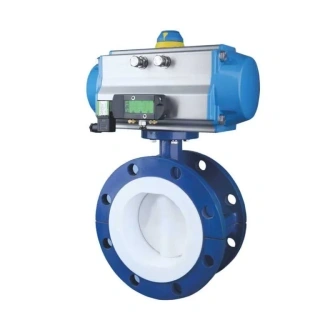
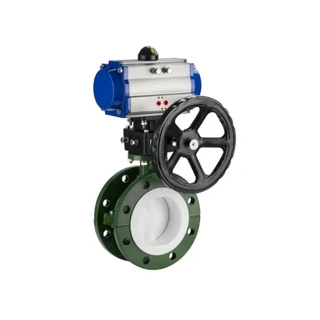
Fluorine lined butterfly control valves are advanced corrosion-resistant flow control devices designed for handling highly aggressive media in modern industrial systems. With fluoropolymer linings such as PTFE, FEP, or PFA, these valves provide excellent protection against acids, alkalis, salts, and organic solvents. They are widely used in chemical processing, petrochemical, pharmaceutical, food, metallurgy, power generation, and wastewater treatment industries. Featuring compact structure, low flow resistance, and reliable sealing performance, they ensure efficient and safe operation in demanding environments. Ongoing technological improvements, including smart actuation and advanced lining materials, continue to enhance their durability, automation compatibility, and overall industrial performance.

Solenoid Valve vs Pneumatic Valve: Comprehensive Guide for Industrial Flow Control

Solenoid Valve vs Pneumatic Valve: Comprehensive Guide for Industrial Flow Control

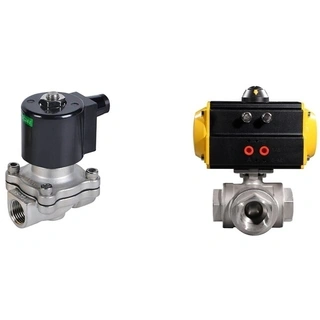
Solenoid and pneumatic valves are essential components in industrial fluid and gas control systems, each offering distinct advantages for specific applications. Solenoid valves use electromagnetic actuation to provide rapid, precise control in low-to-medium flow systems, making them ideal for HVAC, water treatment, laboratory, and medical equipment. Pneumatic valves, powered by compressed air, deliver higher mechanical force and handle large-diameter or high-pressure pipelines, suiting oil, gas, chemical, and power plant operations. Understanding the differences in actuation, force output, flow capacity, and environmental suitability allows engineers to select the optimal valve type, ensuring efficiency, reliability, and long-term system performance in diverse industrial applications.

A Complete Guide to Electric Metal Seated Butterfly Valves for Harsh Operating Conditions

A Complete Guide to Electric Metal Seated Butterfly Valves for Harsh Operating Conditions

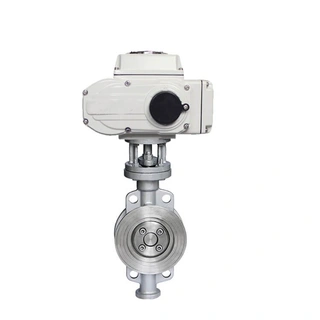
Electric metal seated butterfly valves are advanced quarter-turn valves featuring robust stainless-steel sealing and electric actuation, designed for high-temperature (up to 425°C) and high-pressure (up to 40 bar) industrial applications. Combining the durability of metal hard seals with elastic deformation, these valves ensure reliable bi-directional sealing, long service life, and resistance to corrosion and wear. Large-diameter discs use reinforced frame structures to optimize flow and minimize resistance. Widely applied in power generation, petrochemical, oil and gas, marine, and metallurgy industries, electric metal seated butterfly valves provide precise, automated control for harsh environments, improving operational efficiency, safety, and maintenance reliability.

Understanding Electric Gate Valves: Technology, Advantages, and Global Industrial Trends

Understanding Electric Gate Valves: Technology, Advantages, and Global Industrial Trends

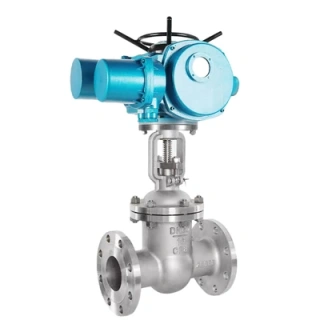
Electric gate valves are essential components in modern industrial systems, offering automated, precise control of fluid flow in pipelines. Unlike manual valves, they use electric actuators for remote operation, enhancing safety, efficiency, and reliability. Commonly applied in oil and gas, water treatment, chemical processing, power generation, and HVAC systems, electric gate valves provide tight sealing, low flow resistance, and long-term durability. They differ from globe valves in structure, flow characteristics, and sealing mechanics. With advancements in smart actuators, IoT integration, and energy-efficient designs, electric gate valves continue to play a pivotal role in modern automated industrial infrastructure.

Electric UPVC Ball Valves: Complete Guide to Motorized Flow Control

Electric UPVC Ball Valves: Complete Guide to Motorized Flow Control

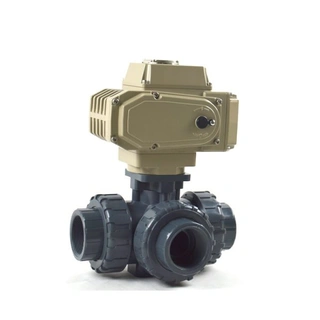
Electric UPVC ball valves combine corrosion-resistant UPVC materials with electric actuation to deliver reliable, automated flow control across various industries. Featuring a 90-degree rotating ball design, they provide tight sealing, minimal pressure loss, and protection against water hammer through slow operation. Their lightweight construction simplifies installation while reducing system stress. Widely used in water treatment, chemical processing, agriculture, and HVAC systems, these valves offer excellent durability with minimal maintenance. With growing demand for automation and energy efficiency, electric UPVC ball valves have become a cost-effective and sustainable solution for modern fluid management applications.

High Pressure Pneumatic Ball Valves: Precision Engineering for Extreme Conditions

High Pressure Pneumatic Ball Valves: Precision Engineering for Extreme Conditions

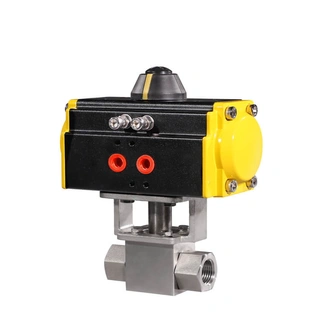
High-pressure pneumatic ball valves are critical components in modern industrial systems, offering precision, durability, and reliability under extreme pressures exceeding 10,000 PSI. Engineered with advanced alloy steels, stainless steels, and composite materials, these valves feature precision-machined balls, V-shaped or trunnion-mounted designs, and robust seat materials to ensure consistent sealing, smooth operation, and resistance to corrosion, wear, and thermal expansion. Widely used in oil and gas, chemical processing, power generation, and manufacturing, they enable rapid actuation, precise flow control, and integration with automated systems. Modular construction and actuator compatibility minimize maintenance downtime while ensuring safety, efficiency, and long-term performance in demanding industrial environments.

Complete Guide to Electric Sleeve Control Valves for Modern Industrial Applications

Complete Guide to Electric Sleeve Control Valves for Modern Industrial Applications

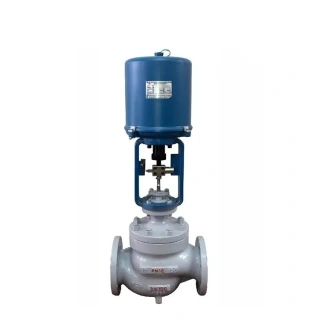
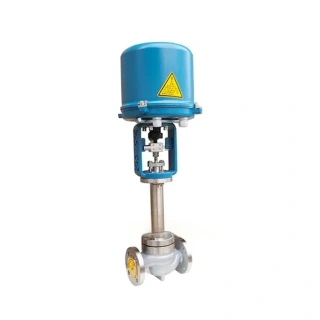
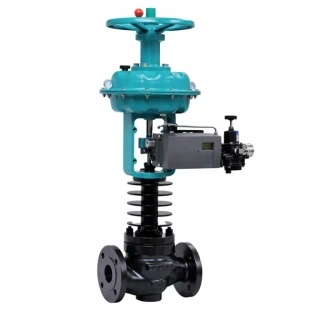
Electric Sleeve Control Valves are advanced industrial valves designed for precise flow regulation, high reliability, and long-lasting performance. Featuring an integrated electronic controller, these valves deliver accurate response to control signals while minimizing mechanical wear. Their balanced operation ensures stable performance under high pressure, and the large guide surface reduces oscillations and extends service life. Electric sleeve valves operate quietly—approximately 10 dB lower than standard valves—and support multiple control signals such as 4–20 mA DC and 1–5 V DC. With easy maintenance, versatile flow characteristics, and broad industrial applications, they provide efficient, reliable, and cost-effective solutions for modern process control systems.

Industrial Applications of Self-Operated Globe Control Valves Explained

Industrial Applications of Self-Operated Globe Control Valves Explained

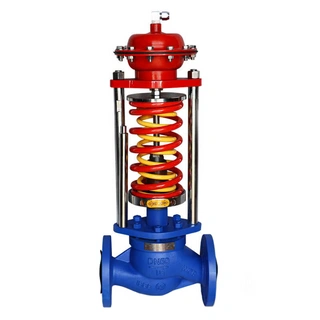
Self-operated globe control valves are essential devices used to automatically regulate pressure, flow, and temperature in industrial systems without external power or actuators. By utilizing the energy of the process medium itself, these valves simplify system design, reduce installation and operating costs, and enhance reliability. Their precise throttling capability makes them ideal for applications in chemical processing, power generation, water treatment, oil and gas, and HVAC systems. With advantages such as low maintenance, energy efficiency, and fail-safe operation, self-operated globe valves provide a dependable solution for modern process control. Continued advancements in materials and smart monitoring technologies are further expanding their performance, safety, and application range.

Why Choose Pneumatic PTFE Lined Butterfly Valves for Industrial Flow Control

Why Choose Pneumatic PTFE Lined Butterfly Valves for Industrial Flow Control

Pneumatic PTFE lined butterfly valves combine automated pneumatic actuation with corrosion-resistant PTFE lining to deliver reliable, efficient flow control in demanding industrial environments. Designed for quick operation, tight sealing, and long service life, these valves are widely used in chemical processing, water treatment, pharmaceuticals, mining, and other sectors handling aggressive or corrosive media. Their lightweight construction, low maintenance requirements, and compatibility with automation systems make them a cost-effective solution for modern facilities. With ongoing advancements in materials, actuator technology, and smart monitoring, pneumatic PTFE lined butterfly valves continue to play a critical role in improving industrial safety, efficiency, and operational reliability.

How Cage Guided Control Valves Improve Stability, Noise Reduction, and Process Efficiency

How Cage Guided Control Valves Improve Stability, Noise Reduction, and Process Efficiency

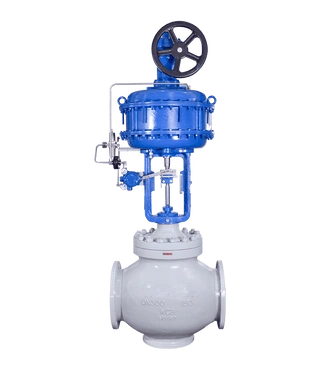
Cage guided control valves play a critical role in modern process industries by delivering precise, stable, and reliable flow regulation under demanding operating conditions. Featuring a guided plug and engineered cage trim, these valves reduce vibration, noise, and wear while improving control accuracy and rangeability. They are widely used in oil and gas, petrochemical, power generation, chemical processing, and water treatment systems, especially in high-pressure, high-temperature, and severe service applications. Recent advancements include smart positioners, predictive diagnostics, and advanced trim materials that enhance durability and efficiency. As industries pursue automation, safety, and sustainability goals, cage guided control valves remain a key technology enabling optimized performance and long-term operational reliability.

The Role of Pneumatic Sanitary Butterfly Valves in Automated Hygienic Processing

The Role of Pneumatic Sanitary Butterfly Valves in Automated Hygienic Processing

Pneumatic sanitary butterfly valves are critical components in hygienic fluid handling systems across food, beverage, pharmaceutical, and biotech industries. Combining automated pneumatic actuation with sanitary design, these valves enable precise flow control, rapid operation, and reduced contamination risks. Constructed from high-grade stainless steel with FDA-compliant seals, they support Clean-in-Place (CIP) and Sterilize-in-Place (SIP) processes, ensuring regulatory compliance and operational efficiency. Widely used in automated production lines, they offer enhanced hygiene, faster cycle times, and integration with modern control systems. As Industry 4.0 and smart manufacturing expand, pneumatic sanitary butterfly valves remain central to safe, efficient, and high-performance fluid processing.

Electric vs. Pneumatic Actuated Ball Valves: Choosing the Right Actuation for Industrial Systems

Electric vs. Pneumatic Actuated Ball Valves: Choosing the Right Actuation for Industrial Systems

Electric actuated ball valves are increasingly adopted in modern industrial systems due to their precision, energy efficiency, and automation compatibility. Powered by electric actuators, these valves provide accurate on/off and modulating control without the need for compressed air infrastructure. Compared with pneumatic ball valves, electric solutions offer superior positioning accuracy, lower overall energy consumption, and easier integration with PLC, DCS, and SCADA systems. While pneumatic valves remain advantageous for high-speed and low-cost fail-safe applications, electric actuated ball valves excel in stable, remote, and intelligent process control. Their reliability and flexibility make them ideal for industries such as water treatment, oil and gas, HVAC, power generation, and chemical processing.

Total 241 Records, 12 records per page